Pad Printing Inks
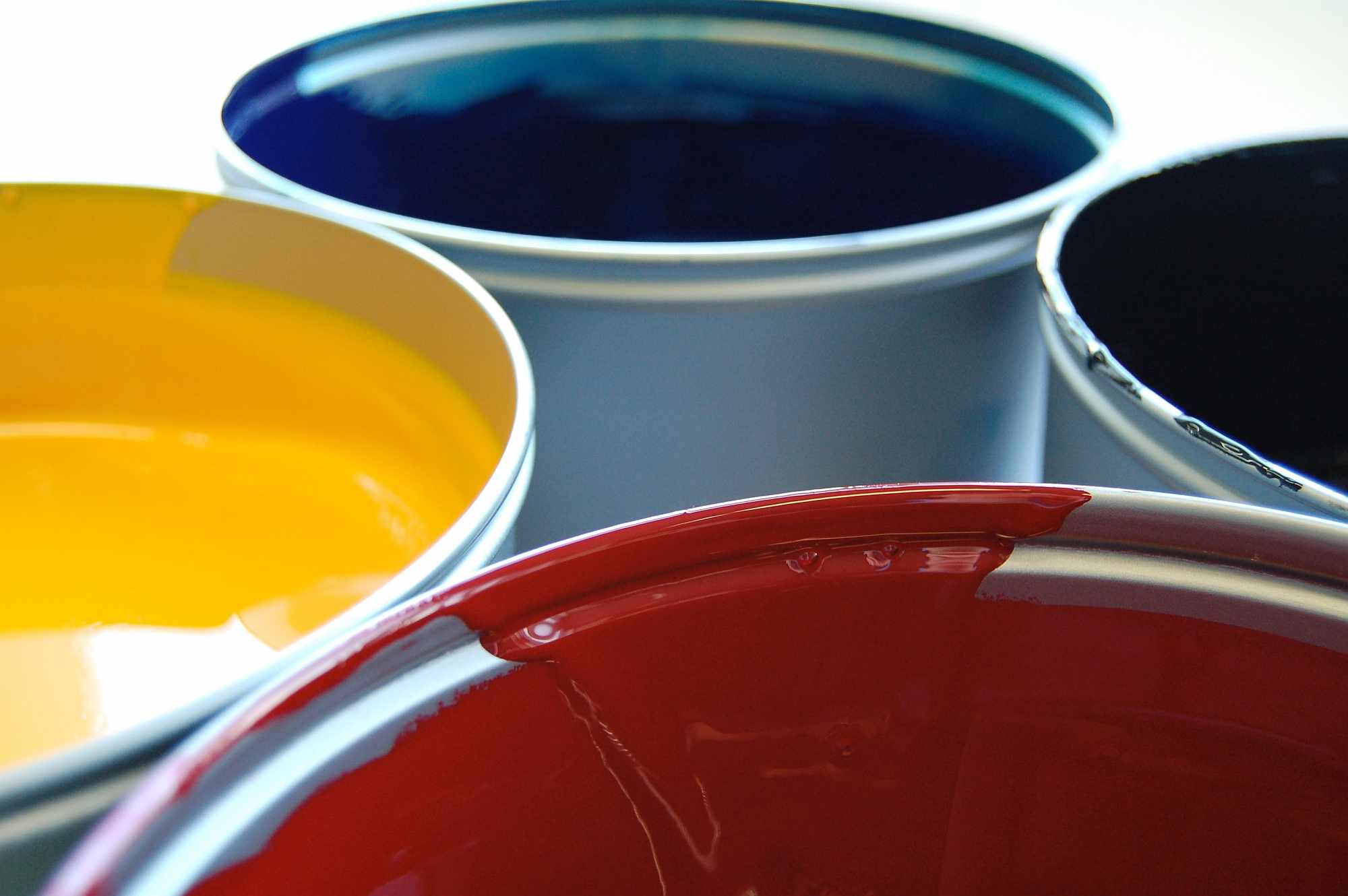
Pad Printing Inks
Pad Printing Inks
Pad printing inks are a key element in achieving precise, durable and consistent printing on any type of material. Choosing the right ink directly affects the adhesion, opacity, durability and quality of the final result. On this page you will find a complete overview of the main types of pad printing inks, compatible materials and factors to consider when selecting the most suitable solution for your production needs.
Types of inks for pad printing
Single-component inks
1K inks do not require catalyst and dry by solvent evaporation.
They are ideal for:
materials that are not particularly difficult
fast productions
prints that do not require high chemical or mechanical resistance
Compatible Materials:
ABS
PS
PVC Rigid
Paper and Cardboard
Advantages: ease of use, fast turnaround, low costs.
Limitations: Less resistance than two-component components.
Two-component inks
2K inks require the addition of a catalyst to activate the chemical reaction which ensures much stronger adhesion.
They are essential for:
difficult
materials treated
surfaces objects that must resist scratches, solvents, detergents or wear and tear
Compatible materials:
Pre-treated
PE and PP Metals
glass
ceramic
polycarbonate
nylon
Advantages: maximum strength and durability.
Limitations: longer processing times, need for precise catalysis.
UV inks for pad printing
UV inks cure by exposure to UV lamps, ensuring immediate drying.
Ideal for:
high-speed
productions heat-sensitive surfaces
prints that require high definition
Advantages: instant drying, high productivity, excellent resistance.
Limitations: need for dedicated UV lamps.
How to choose the right ink
Material Type
It is the most important factor. Each material requires a specific ink or pre-treatment (corona, plasma, flame).
Required
strength Assess whether the final product should resist:
abrasion
detergent solvents
UV
rays washing
Opacity and color
Pad printing inks are available in:
standard
colours special
metallic fluorescent colours
high opacity for dark surfaces
Printing conditions
The choice of ink also depends on:
speed of the machine
type of pad
plate depth
temperature and humidity of the environment
Additives and thinners
Pad printing inks can be modified with:
Slow/medium/fast thinner — regulates evaporation and fluidity
Catalyst — required for two-component
Matting additive — increases opacity
Adhesion additive — improves grip on difficult
materials Retardant — useful for complex prints or hot environments
The correct combination of ink, thinner and catalyst is essential to achieve a stable and repeatable result.
Main applications
Pad printing inks are used in numerous sectors: cosmetics, automotive, medical electronics
, gadgets
and promotional
Sporting
Goods Packaging
Each industry requires specific adhesion, strength, and certification characteristics.
Practical tips for perfect printing
Always use correctly engraved clichés with adequate depth.
Keep the pads clean and in good condition.
Controls ink viscosity throughout production.
Avoid drafts that accelerate evaporation.
Perform adhesion testing before final production.
Conclusion
The choice of pad printing ink is crucial for obtaining quality printing. Knowing the materials, required resistances and technical characteristics allows you to select the most suitable solution and guarantee professional and lasting results.